.png?2.0.9 "SENIOR MGNDW")
 (3).png "Trending") 5 hours ago
5 hours ago
With interest rates predicted to keep falling throughout 2026, many homeowners may be anxious to ensure they fix onto the cheapest mortgage deal possible.
If you’re coming up to remortgage this year or are planning to buy your first home, you may be wondering whether to lock into a deal for five years, or fix for two years and then move onto a - hopefully - cheaper rate.
By locking into a longer deal, you remove the risk of interest rates potentially rising over the period, and you will not have to pay any more fees to switch onto another mortgage product.
But you won’t benefit if interest rates fall in the meantime, and in an environment where rates are predicted to keep falling by a sizeable margin, it could cost you thousands of pounds to stay stuck on a higher rate.
What the figures show
Analysis for The Independent found that if you had a £300,000 mortgage with an 80 per cent loan to value (the amount of your house you own vs what you borrow), and you were presented with a 3.8 per cent interest rate for a five-year fixed deal now, you would pay £53,193 in interest over five years.
But if you fixed on a two-year rate at 3.8 per cent now, then in two years you re-mortgaged at a rate of 3.3 per cent, while paying a £999 product fee to switch mortgages and a £500 mortgage broker fee, you would pay £50,850 in total over the five year period.
So, fixing onto a two year deal and paying the fees to remortgage would still be £2,343 cheaper than locking in for five years in this scenario, assuming rates fell by at least 50 basis points over the next two years.
Basis points are the figures after the decimal point, so a ten basis points drop - or one-tenth of a percent - would for example be from 3.5 to 3.4 per cent.
Other factors to consider
However, experts say it isn’t always this black and white as there are several options to consider when deciding whether or not to lock into a longer deal, and it is taking a risk to assume that rates will continue to fall.

Get a free fractional share worth up to £100.
Capital at risk.
Terms and conditions apply.
ADVERTISEMENT
Get a free fractional share worth up to £100.
Capital at risk.
Terms and conditions apply.
ADVERTISEMENT
Craig Fish, director of Lodestone Mortgages, said: “This question always comes up when there’s a feeling rates will fall. But choosing a two-year fix now purely to switch onto something cheaper later is effectively trying to time the market and that’s a gamble.”
The problem is that nobody can actually predict what will happen over the next few months or years, as interest rates change based on geopolitical and financial circumstances, which can change very suddenly.
Nouran Moustafa, a financial advisor at Roxton Wealth, explained: “The biggest mistake borrowers make when choosing between a two or five year fix is trying to outguess interest rates.
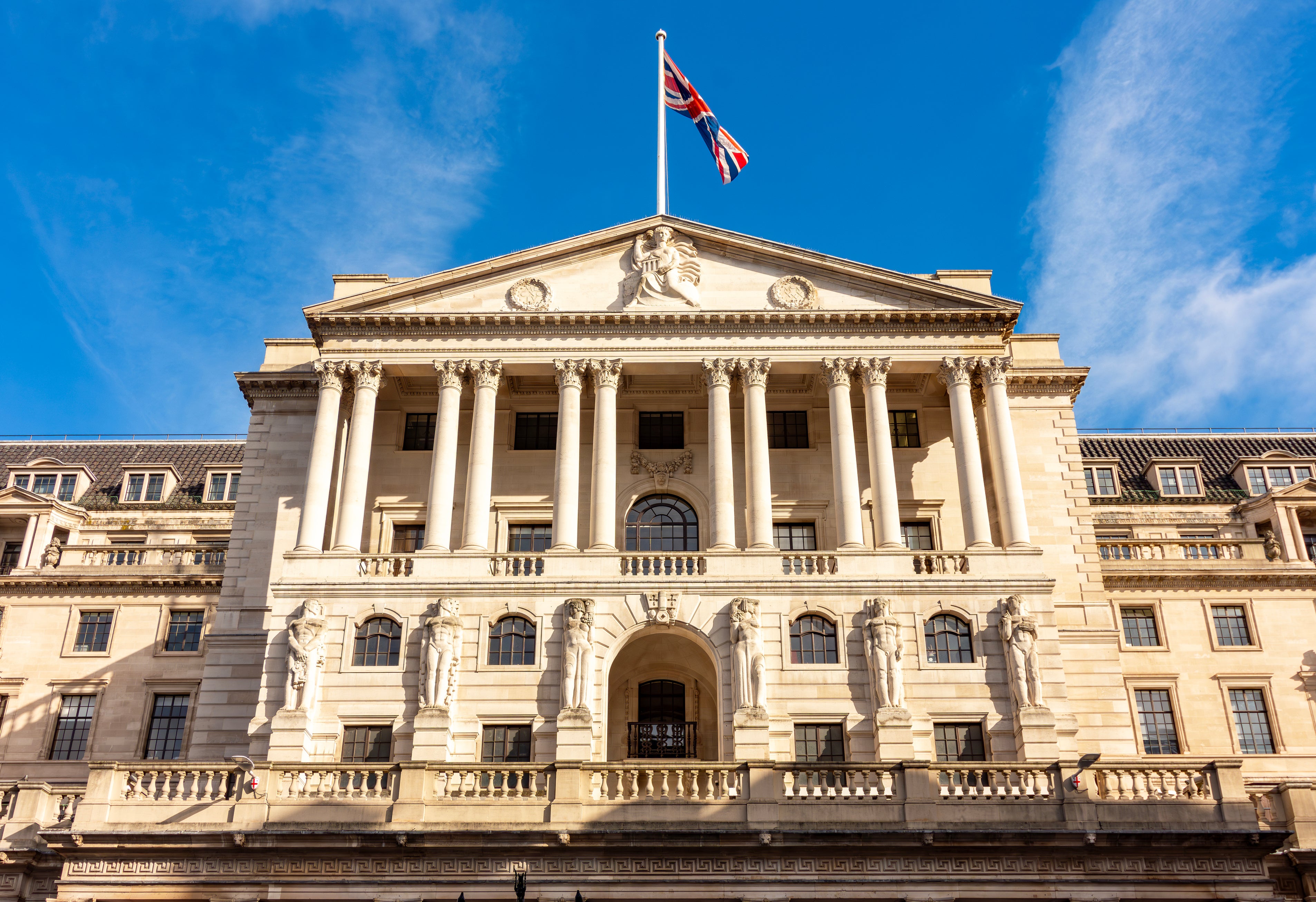
“We might anticipate the next Bank of England move, but nobody can reliably forecast where rates will be in two or three years’ time. Too much depends on global economics and politics.”
Ms Moustafa said the length of a fixed deal should be based on personal circumstances. For example, if a borrower has a low loan to value and major commitments approaching, such as supporting a child through university, a five year fix could provide “stability and predictable budgeting.”
“By contrast, someone at 94 per cent LTV who is regularly overpaying may benefit from a shorter fix. Reducing the balance could move them into a lower LTV band within two years, potentially unlocking cheaper rates,” she said.
A lower LTV can unlock cheaper mortgage interest rates because lenders see you as less of a risk, as they have less of their money in your property.
The rise of tracker mortgages
Matthew Davies, co-founder of Opes Financial Partners, said he does think rates will continue to fall, though, and it could therefore even be worth considering a tracker mortgage.
These track the Bank of England’s base rate, which influences what interest rates mortgage lenders set. They have been unpopular over the past few years as interest rates have been high, but Mr Davies believes they will see a resurgence this year.

“If you believe rates will drop to 3.25 per cent by 2028 - as many analysts suggest - a two-year fix would save you roughly £3,000-£4,000 over the five-year period, even after paying two sets of fees for a loan amount of £500,000,” he said.
“If inflation continues to fall and rates are cut faster, then savings could be even higher by taking a tracker mortgage. Falling inflation is paving the way for faster interest rate cuts, promising a boost for borrowers, and making mortgages more affordable.”
Make sure to shop around if you’re looking for mortgage rates and consider a range of lenders - don’t just go with the first option you find.
Consider using a mortgage broker, as they often have access to cheaper rates than you can typically find on the market yourself and they will do the work for you.
When investing, your capital is at risk and you may get back less than invested. Past performance doesn’t guarantee future results.




 English (US) ·
  Indonesian (ID) ·